The Sale Leaseback Structure: A Strategic Financial Tool for 2026
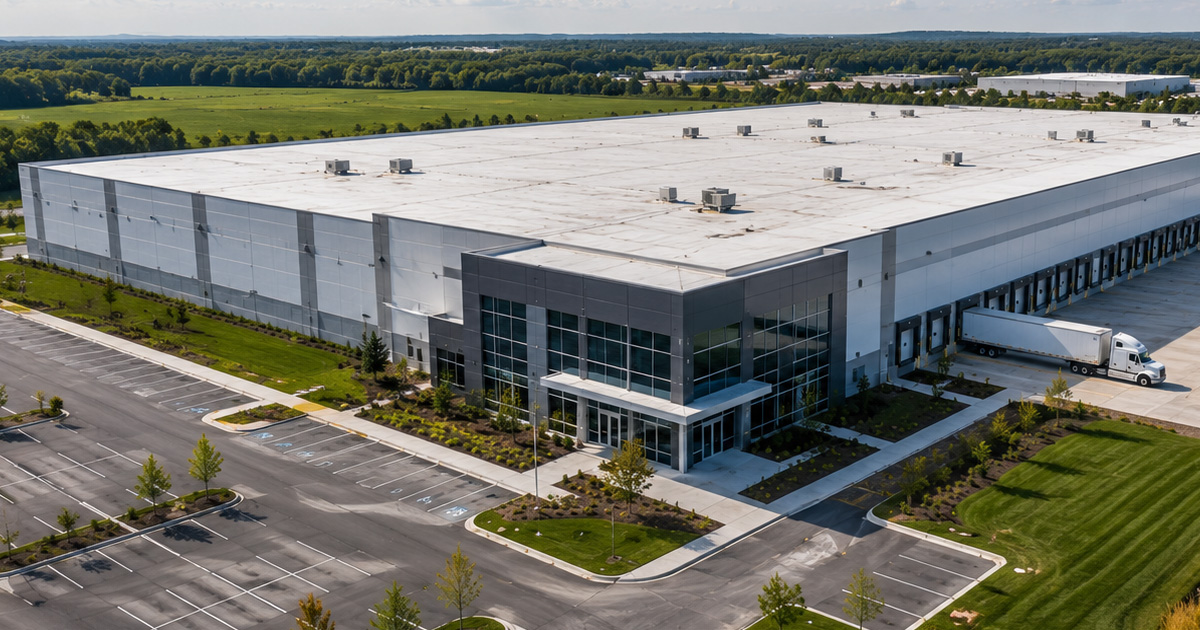
A sale-leaseback is a straightforward transaction with significant strategic implications. A company sells its owned real estate to a capital partner and simultaneously signs a long-term lease to continue operating from the same property. The result is immediate liquidity from a previously illiquid asset, with no disruption to day-to-day operations.
For middle-market companies evaluating their capital options in 2026, this structure deserves serious consideration, particularly for businesses that own mission-critical facilities and have a clear use for the proceeds.
What Makes a Company a Strong Candidate?
The most important factor is clear ownership of the real estate. Beyond the property itself, the business's financial profile matters considerably, a capital partner is entering a long-term lease relationship, so stable revenue and consistent profitability are essential.
A defined use for the capital matters too. Companies that can clearly articulate how proceeds will be deployed, whether for an acquisition, debt reduction, growth investment, or owner distribution tend to move through the process more efficiently.
When approaching a capital partner, it's worth preparing:
- Three or more years of historical financial statements
- Any existing historical appraisals
- A clear summary of the intended use of capital
- An honest assessment of the business's credit profile
How the Transaction Works
Step 1 — Valuation and Due Diligence. The process begins with an assessment of the property's market value, the company's business purpose and financial health, and the intended use of proceeds from a transaction. These two inputs, asset value and tenant creditworthiness, along with other considerations, define the parameters of the deal.
Step 2 — Purchase and Sale Agreement (PSA). Once terms are agreed upon, a PSA is drafted covering the sale price, conditions, and closing timeline. Experienced legal counsel is important at this stage.
Step 3 — Lease Agreement Negotiation. Concurrent with the PSA, the parties negotiate a long-term lease. These are most commonly structured as triple-net (NNN) leases, under which the tenant remains responsible for property taxes, insurance, and maintenance, preserving the tenant’s full operational control.
Step 4 — Closing. Both agreements close simultaneously. The company receives the agreed proceeds and transitions from owner to long-term tenant. Operationally, nothing changes.
Why Companies Use Sale-Leasebacks
The structure is flexible enough to serve a range of objectives:
- Acquisition financing: Real estate proceeds can help fund equity required for a business acquisition reducing the need to raise new equity which can be dilutive to existing shareholders.
- Balance sheet recapitalization: Proceeds pay down existing debt, improving leverage ratios.
- Growth Cap Ex: Capital is redeployed into equipment, technology, or new markets.
- Owner liquidity: Provides a capital distribution without a sale of the business.
Example - A manufacturing company pursuing a competitor acquisition might sell its primary facility and lease it back rather than taking on a new leveraged loan, same capital outcome, less balance sheet risk. Tenet Equity works with companies across a range of industries to structure these transactions. You can also review our case studies to see how past deals have been structured.
Key Takeaways
- A sale-leaseback converts owned real estate into working capital while keeping the business in the property under a long-term lease.
- Strong candidates are profitable businesses with clear property ownership and a defined plan for the proceeds.
- The process moves from valuation and credit assessment, through a PSA and lease negotiation, to a simultaneous close.
- The structure provides non-dilutive capital without adding debt, a meaningful alternative to traditional financing for the right business.
Frequently Asked Questions
What is a sale-leaseback transaction? A sale-leaseback is a transaction where a company sells its owned real estate and simultaneously leases it back from the buyer. The company receives a cash payment and retains full use of the property under a long-term lease agreement.
How is the lease rate determined in a sale-leaseback? The lease rate is derived from a capitalization rate applied to the property's sale price. That cap rate reflects the investor's required return and is shaped by the tenant's credit profile, lease term, property type, and current market conditions.
Does a sale-leaseback mean losing control of the property? No. Ownership transfers to the capital partner, but the lease agreement gives the tenant full operational control. The business continues to use, manage, and maintain the facility exactly as it did when it owned it.
Who is the right candidate for a sale-leaseback? Established, profitable businesses that own their commercial real estate and have a higher and better use for the capital than sitting dormant in real estate, whether for growth, an acquisition, or balance sheet improvement. The strength of the business as a tenant is as important as the value of the property itself.
How long does a sale-leaseback transaction take to close? Timelines vary, but most transactions close within 60 to 90 days of an accepted offer, depending on due diligence complexity and legal review.
Work With Tenet Equity
If your business owns real estate and you're evaluating how to fund your next strategic initiative, a sale-leaseback may be worth a closer look. Tenet Equity structures these transactions for middle-market companies with a focus on speed, certainty, flexibility and long-term alignment. Contact us to start a confidential conversation.